Last updated: September 10, 2026
Key Takeaways
- Typical line-post spacing is 8 to 12 feet, while corners and ends need heavy bracing.
- Space them evenly, usually 8 to 12 feet apart, and keep their tops aligned to the fence grade.
- A 6-foot woven fence on steel T-posts every 8 to 12 feet is a different thing from a loose run stapled to rotting wood posts.
- The fence should look straight from 20 or 30 feet away, and the mesh should not drum wildly in wind.
Woven wire fence is a wire grid fence made from horizontal and vertical wires tied or knotted together, usually sold in rolls and stretched between fence posts. Need a plain answer? It is a practical barrier for animals and boundaries when you want more muscle than simple netting and more flexibility than rigid panels. I’d pick it for a physical barrier that beats poultry netting, gives a little more than welded wire, and handles animals or property lines across uneven ground without throwing a fit.
Who woven wire fence is for — and who should use something else
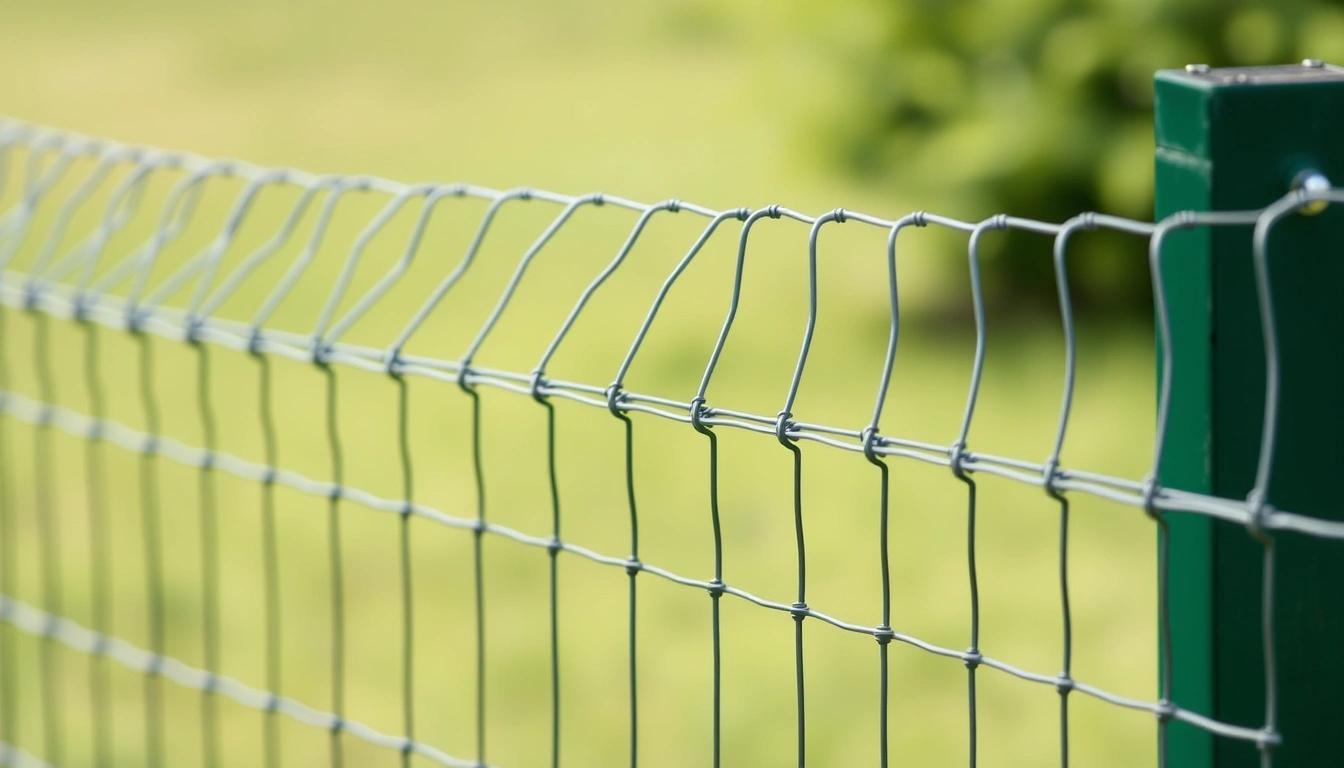
What is woven wire fence and when should you use it? Use it for property owners who need a dependable barrier over a long run, often 100 feet or more, where the ground is not perfectly flat and the fence has to move a little without breaking apart. It is commonly used for livestock, gardens, orchards, boundary lines, and areas where a flexible fence is easier to keep tight than a rigid panel system. The term “woven” matters: the wires are interlaced or mechanically tied, which gives the fence some give when pressure hits it.
Not every wire fence belongs in the same bucket. “Welded wire” has fixed intersections, so it stays square but can crack at weld points if it takes repeated impact. “Chicken wire” is much lighter, with small hexagonal openings, and it is usually too flimsy for anything that leans, pushes, or rubs. Woven wire sits in the middle. A common field fence uses vertical stay wires every few inches and larger openings near the top, with tighter spacing near the bottom to help smaller animals stay in or out.
This is the wrong choice if you need a fence that must stop determined impact, like large dogs that hit fencing hard, or if you want a decorative perimeter with a smooth, architectural look. It is also the wrong tool if your biggest problem is theft or trespass; height, gates, and post strength matter more than the wire pattern alone. For an ordinary backyard run, I would often choose woven wire only if the fence must handle animals or uneven terrain. For a flat, ornamental edge, wood, vinyl, or metal picket systems may fit better.
Gauge is a useful clue. Lower numbers mean thicker wire. A field fence in the 12.5-gauge range is stronger than lightweight garden mesh, while 14-gauge wire is easier to cut and usually less forgiving under load. That number is one of the first hints about whether the fence is meant for containment or just visual boundary marking.
What is woven wire fence, exactly?
What is woven wire fence and when should you use it? Woven wire fence is a flexible mesh made from steel wire, formed into a pattern of horizontal line wires and vertical stay wires, then rolled for installation. The pattern can be square, rectangular, or graduated, meaning the openings change size across the height of the fence. A classic field fence often has smaller openings near the bottom and taller openings toward the top, which helps keep small animals from slipping through low gaps while using less wire where pressure is usually lower.
Three parts carry the load: the mesh itself, the posts, and the tensioning hardware. The mesh acts like the skin, but the posts and bracing do the heavy lifting. Miss that, and the whole thing goes sideways. A woven wire fence without proper end posts, corner bracing, and tensioning is not really a fence system; it is a roll of wire waiting to sag. Standard end assemblies often use a brace post, a horizontal brace member, and a diagonal wire to hold tension. The fence is then stretched with a stretcher bar or wire tensioner before fastening.
There are also different weaves and knot types. Hinge-joint fence, fixed-knot fence, and square-knot fence are all woven wire types, but they behave differently. A hinge-joint fence flexes at the joints and is often cheaper and easier to install. Fixed-knot fence keeps the vertical and horizontal wires locked together more rigidly, which is one reason it is often chosen for stronger animal containment. Square-knot styles are common in field applications and balance flexibility with structure. The right choice depends on whether you need the fence to give a little under pressure or hold its shape under heavy load.
Openings matter just as much as wire thickness. A 4-inch bottom opening is very different from a 2-inch bottom opening if you are trying to contain goats, lambs, or dogs. A generic “wire fence” article usually skips that detail, but it is one of the main reasons one woven fence works and another fails. I’d treat opening size, knot style, and gauge as a package, not separate specs, but a fence professional should confirm the right combination for the animal and site conditions; for example, USDA guidance on exclusion fencing and manufacturer installation specs both emphasize matching mesh design to the intended use. See USDA APHIS wildlife damage guidance and Red Brand’s fence specifications.
When should you use woven wire fence?
Use woven wire fence when you need a barrier that balances containment, visibility, and adaptability to terrain. It is especially useful for pasture fencing, orchard protection, garden perimeters, and long property runs where building from rigid panels would be slow or expensive. It is also a practical choice when you need the fence to follow slopes, dips, or uneven soil without leaving big gaps underneath. If you are asking what is woven wire fence and when should you use it, this is the use case to start with.
A woven fence makes sense if the thing you are trying to stop is medium-sized and persistent: sheep, goats, dogs, deer in some layouts, or people from casually crossing a line. It does not need to look fancy to earn its keep. Its value is mechanical. The mesh spreads force across a wider area than a simple strand fence, so it is less likely to fail from a single push or rub.
I’d choose woven wire over barbed wire when animal safety matters, because barbs add injury risk and are poor around pets, children, and many livestock setups. I’d choose woven wire over electric-only fencing when the boundary has to work even during power loss or when an animal ignores current. A hybrid system is common: woven wire provides the physical barrier, and an electric offset wire discourages leaning or climbing. That pairing often works better for some animals than either one alone. No magic here.
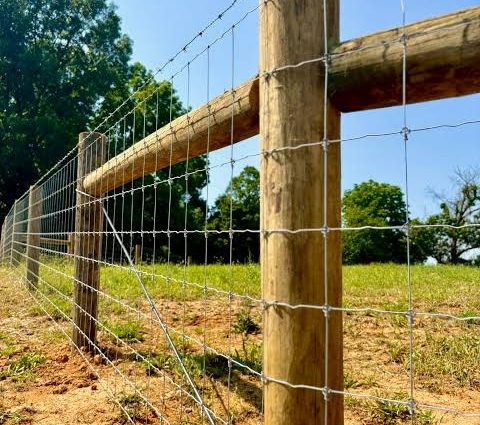
The fence is also a good fit when you need a one-time investment with a long service life and you can support it properly. A 6-foot woven fence on steel T-posts every 8 to 12 feet is a different thing from a loose run stapled to rotting wood posts. The first is a system. The second is a repair bill.
What woven wire is not great for is highly formal frontage where appearance outweighs function, or very high-pressure animal containment where 8-foot rigid panels, board fencing, or heavier welded systems may be more appropriate. I would also avoid it where soil movement is extreme and the posts cannot be set deeply enough, because the mesh only works as well as the structure holding it.
How do I install woven wire fence without it sagging?
Build the posts and bracing first, then stretch the mesh to the correct tension, then fasten it so the fence stays aligned under load. The key is simple: the wire needs to be tight enough to resist bowing but not so tight that the knots distort or the posts pull out of line. According to the University of Minnesota Extension and Oklahoma State University Extension, most sagging problems come from weak bracing, poor spacing, or over-tensioning rather than from the mesh itself.
- Mark the fence line. Run a line or use marking paint for the full fence route, and confirm post spacing before digging. Typical line-post spacing is 8 to 12 feet, while corners and ends need heavy bracing. Verify the line is where you actually want the boundary, and watch for a problem if the route forces sharp bends or crosses drainage channels without a plan.
- Set the end and corner posts first. Use posts that are deeper and stronger than the line posts; in many soils, 3 feet of embedment is a sensible minimum for fence posts, with more depth in loose ground. Verify the posts are plumb and firmly tamped. If they lean during tamping, the brace system will not hold tension.
- Build brace assemblies. Install the brace rail and diagonal tension wire on each corner or end. The brace must resist pull from the stretched mesh. Verify the assembly does not rack when you push on it. If the brace flexes, the fence will loosen over time.
- Place line posts. Space them evenly, usually 8 to 12 feet apart, and keep their tops aligned to the fence grade. Verify that a straight sight line runs across the tops. If the post tops wander, the mesh will show waves and low spots.
- Unroll the woven wire on the ground. Lay it out along the fence line and orient the rolls so the bottom edge stays consistent. Verify the mesh is not twisted and the bottom wire is not kinked.
- Stretch the mesh. Use a fence stretcher or come-along on a stretcher bar to tension the wire evenly. Stop when the line wires are taut and the openings hold their shape without obvious bowing. If the wire necks down or the knots distort, you have over-stretched it.
- Fasten the fence to posts. Attach the wire with fence staples, clips, or ties at each post, making sure the wire sits at the planned height. Verify the top and bottom stay level relative to the ground. If the wire pulls free or sags between posts, the fastening pattern is too weak.
- Handle slopes and corners deliberately. Step the fence, follow the grade, or use offset posts rather than forcing a straight run across a hill. Verify there are no under-fence gaps larger than a few inches where an animal could slip through. If the bottom edge floats more than it should, you need terrain-specific adjustment.
The best sign of a good install is not perfection; it is steady tension. The fence should look straight from 20 or 30 feet away, and the mesh should not drum wildly in wind. Push a section by hand and watch it bow like a curtain? Then you have too little tension, too much post spacing, or weak bracing. One of those three has to change.
What mistakes do people actually make with woven wire fence?
The most common mistake is using the wrong fence type for the animal. A field fence with wide lower openings may be fine for sheep in some setups but a bad choice for small goats or young animals that slip through gaps. The consequence is escape, repeated repairs, and added corners or hot wires after the fact. The correct alternative is to match the opening size to the smallest animal you need to contain, often with tighter spacing near the bottom.
Another mistake is ignoring brace work. People spend money on mesh and then set weak end posts or shallow corners. The consequence is sagging within months because the mesh pulls the posts inward. The correct alternative is to make the brace system the strongest part of the fence, or at least one of the strongest, so the mesh stays tensioned.
A third mistake is over-spacing line posts. If posts are 16 feet apart on a run that should have been 8 or 10 feet, the wire will belly between them, especially on slopes or in wind. The consequence is a fence that looks finished on day one and tired by season two. The correct alternative is to tighten post spacing where the ground undulates or the fence is under animal pressure.
A fourth mistake is choosing wire gauge by price alone. Thin wire is easier to buy and handle, but it bends more easily and can be cut more readily. The consequence is a fence that loses shape sooner and offers less resistance to impact. The correct alternative is to choose gauge based on load, not just cost.
A fifth mistake is failing to account for gates, drainages, and equipment access. A woven fence that looks fine along a straight line can fail where a tractor needs clearance or where runoff undercuts the bottom wire. The consequence is constant edge damage. The correct alternative is to design those crossings from the start, even if it means a 10-foot gate or a raised bottom edge in one section.
When should you stop and use a different fence system?
Stop using woven wire fence when the job depends more on rigid impact resistance, high security, or a polished architectural finish than on flexible containment. If you are asking what is woven wire fence and when should you use it, this is the point where the answer becomes “use something else.”
Animals that hit the fence hard or repeatedly: This means pressure from large livestock, determined dogs, or animals that lean and rub — move to heavier mesh, rigid panels, or a hybrid system with electric offset wire.
You need a smooth, decorative perimeter: This means appearance is a primary goal — choose a board, ornamental metal, or vinyl system instead, because woven wire reads as functional, not refined.
The ground moves a lot or washes out seasonally: This means the fence line will keep changing grade — redesign the drainage first or use a fence style that tolerates frequent reset work.
Security is the main concern: This means the fence must deter climbing, cutting, or forced entry — consult a security fencing professional, because woven wire alone is not enough; height, top treatment, and gate hardware matter more than mesh.
You cannot set strong end and corner posts: This means the fence cannot be properly tensioned — do not install woven wire until the bracing plan changes, because weak ends guarantee sag.
The smallest animal is very small: This means chicks, rabbit kits, or tiny breeds can slip through even tight woven openings — use finer mesh with smaller aperture sizes, often 1 inch or less near the bottom.
If any of those conditions apply, the issue is not that woven wire is bad. It is simply the wrong tool for the job. A fence is a system, and the mesh is only one part of it.
What should I check before I buy or build it?
Check three things before you commit: the animal or boundary problem, the terrain, and the support system. Start by identifying the smallest thing that must not get through and the hardest thing that will hit the fence. A sheep fence and a deer fence are not the same project. Then measure the terrain. A line with repeated dips, rock outcrops, or drainage swales changes post depth and spacing. Finally, inspect the corner and end posts you can realistically set. If you cannot build a brace assembly, the mesh choice matters less than it should.
Material choice matters too. Galvanized steel is standard because the zinc coating resists corrosion better than bare steel. If the fence will live near salt air, wet pasture, or constant irrigation, coating quality matters a lot. According to ASTM A641, zinc-coated steel wire specifications are part of long-term corrosion performance, and suppliers often publish class or coating data that can be compared before purchase. For animal fencing, read the manufacturer’s installation sheet and compare it with your actual spacing, post size, and terrain.
You should also measure the run and budget for the accessories, not just the mesh. A 300-foot fence may need multiple rolls, enough line posts for 8- to 12-foot spacing, and bracing materials for every end and corner. That is why a fence quote should separate mesh cost from posts, wire, clips, gates, and labor. If one estimate is far cheaper, check whether it assumes weaker bracing or wider spacing.
For site-specific decisions, it helps to compare your plan with practical guidance from extension services and product specs. The USDA APHIS Wildlife Damage Management page, the University of Minnesota Extension, and Oklahoma State University Extension all emphasize matching fence design to the animal, terrain, and bracing system rather than treating the mesh as the whole solution.
If you want a longer service life, inspect tension at least once a season. A fence that stays tight in spring can relax after a wet summer or a freeze-thaw cycle. That does not mean the fence failed. It means woven wire fence, like any mechanical system, needs periodic checks.