Last updated: September 10, 2026
Key Takeaways
- If the gaps are 6 inches or more in the lower section, I want something else added.
- The biggest mistake I see in goat fencing is choosing by what looks sturdy from 20 feet away.
- Verify the lower 24 inches are the tightest part of the fence.
- Verify the inside of the fence is clear for at least 3 feet.
Goats stay in when the fence blocks climbing, stops pushing at the bottom, and removes the small footholds they use to escape. Wide wire, weak corners, a loose bottom edge, or a top rail they can reach? That is trouble. Not maybe — trouble. So the fix is not “more fence” in the abstract; it is a tighter fence, better bracing, and a layout that gives goats nothing to climb. This guide on how to fence goats so they cannot climb, push, or escape focuses on the details that matter most.
Who this is for, and what it assumes you already have
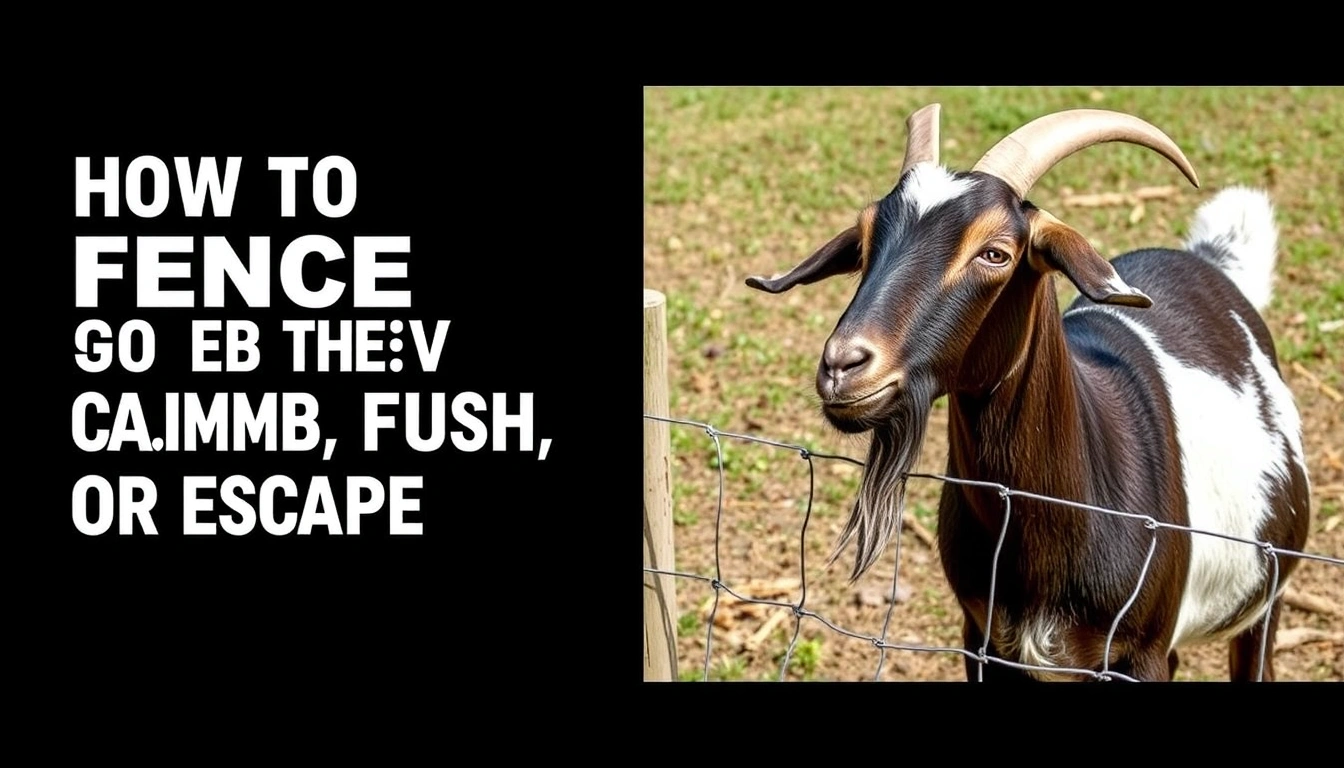
Small-farm owners, homesteaders, and backyard livestock keepers are the people this applies to. You may be trying to hold goats in a paddock, dry lot, sacrifice area, or rotational pasture. I am assuming you already have basic posts in the ground, a way to stretch wire or attach panels, and a perimeter you can modify. I am also assuming you know the local rules on fencing and boundary lines, because goats are hard on neighbors as well as on fence fabric.
This is a do-it-yourself project for ordinary containment, not for building a perimeter around a road, a cliff edge, or a place where a failure could injure people or animals. Does that sound strict? It is. If the fence borders a public way, a ditch with vehicle access, or a setup where a loose goat could create a traffic hazard, consult a local fence contractor or other professional who knows livestock work. The same goes for very large herds, steep ground, or mixed animals where horned goats, calves, or horses will all put different loads on the fence.
Mesh size is the main term to know: the size of the openings in the wire or panel. Goats escape by foothold more often than by brute force, so a fence that looks “strong” but has openings large enough for a hoof is still a bad fence. Four inches is the common upper limit for goat barrier wire; larger openings make climbing and pushing easier. Already own woven wire with larger openings? You may be able to back it with electric offset wire instead of replacing the whole line, but that depends on the fence’s condition and the goats’ size.
I would not choose a flimsy temporary net as a permanent answer for horned adults, hungry milk goats, or any group that has already learned to test the fence. Goats remember weak spots quickly. Honestly, they memorize them like a shortcut. For how to fence goats so they cannot climb, push, or escape, the fence has to match the animals, the ground, and the risk.
What kind of fence actually keeps goats in?
A goat fence works when the lower half is tight, the corners are braced, and the top edge gives no easy climb. In plain terms, that means a fence with small openings, good tension, and a top that does not offer a ladder.
The strongest common options are 4-foot to 5-foot woven wire, high-tensile woven-style livestock fence, welded wire with small openings, or stock panels used carefully with additional measures. For many small herds, 48-inch woven wire with 4-inch or smaller openings is the practical baseline. Taller is better if you keep heavy meat goats, large bucks, or especially athletic animals. Once goats learn to jump, 5 feet is more forgiving than 4 feet, but height alone will not save a loose fence.
Smooth field wire by itself? I would pass, unless it is part of a well-designed electric system. The openings are too large and the fence can belly outward under pressure. Chain-link sounds strong, and it is, but it is expensive and still needs a secure bottom edge and top detail or goats will use it like a climbing frame; for a fence to keep goats from climbing, pushing, or escaping, consult a fence professional if you are not sure the base and top are fully secure. Hog panels and cattle panels can work for small pens and kidding areas, but a panel with large rectangles near the ground can still invite hoof placement. If the gaps are 6 inches or more in the lower section, I want something else added, or I want a fencing professional to confirm the fix.
For many people, a practical answer is a woven wire perimeter with 4-inch mesh, tight corners, and one or two hot wires. A hot wire is an electrified conductor that trains goats to keep off the fence; it is not a standalone wall. The wire only works if it is hot enough, high enough, and kept clear of weeds. A fence that depends on electricity but is grounded by grass is a fence that will fail in the first wet week. For how to fence goats so they cannot climb, push, or escape, the electrical part has to be maintained as carefully as the wire.
The biggest mistake I see in goat fencing is choosing by what looks sturdy from 20 feet away. Goats do not judge by appearance. They look for pressure points, ledges, and slack. That is where they win.
How do I build a goat fence that stops climbing and pushing?
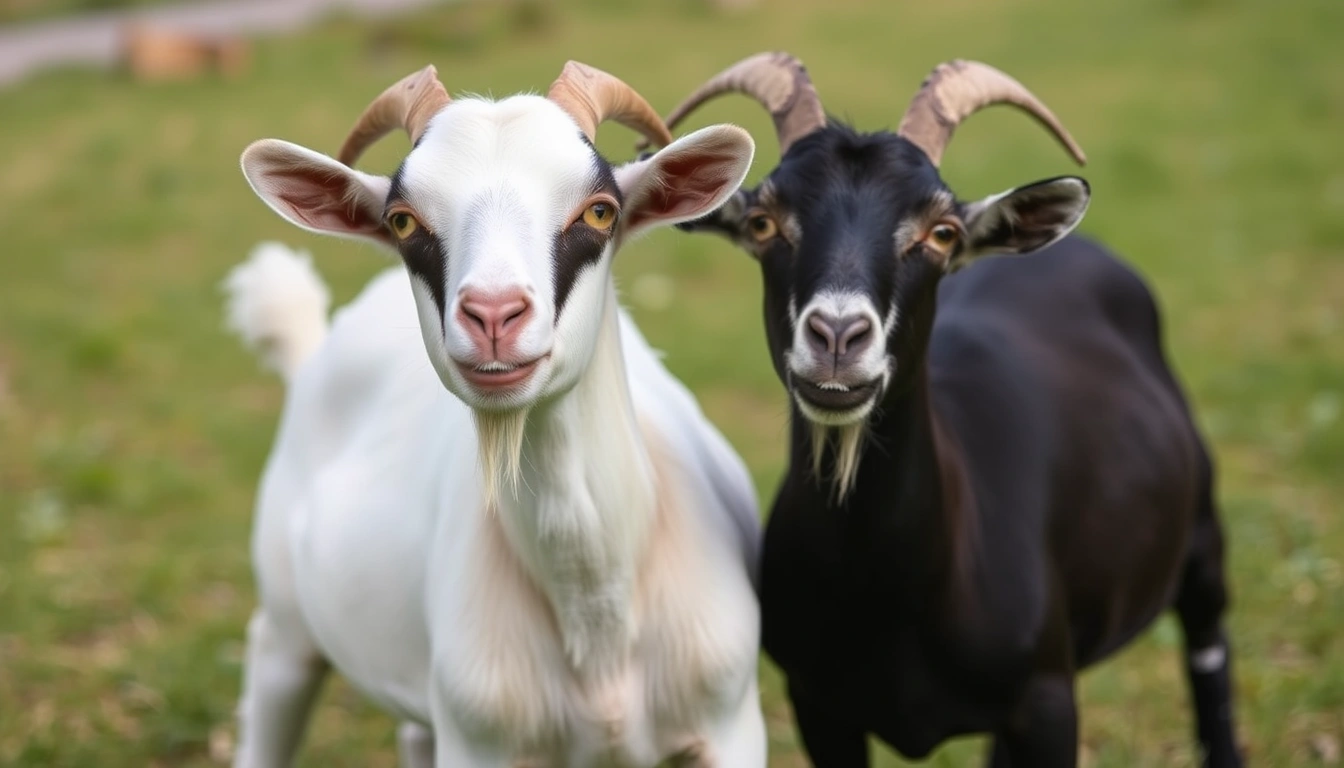
Build the fence so the goats meet a tight surface, a hard bottom, and a hot line they learn to respect. The order matters because goats exploit the weakest point first.
- Lay out a straight line and set stout corner posts. Use end posts that are at least 5 inches in diameter or equivalent heavy-duty metal, set about 3 feet deep in most soils, and brace every corner and gate opening. Verify the line is straight with minimal sag between posts. A problem shows up when corners lean after wire tension is applied.
- Choose wire with small openings. Use woven wire with openings no larger than about 4 inches for the main barrier, or use panels with openings small enough that a hoof cannot start climbing low on the fence. Verify the lower 24 inches are the tightest part of the fence. If you can slide a goat hoof through the first two rows, the fence is wrong for goats.
- Set post spacing close enough to hold the fabric. Keep line posts roughly 8 to 12 feet apart for woven wire, closer on uneven ground or where goats lean hard. Verify the wire does not bow between posts when you press on it by hand. A problem is visible belly in the span even before goats touch it.
- Stretch the fence tight, then fasten it securely. Pull woven wire until the line is firm and uniform, not drum-tight, and fasten with proper clips or staples that do not cut the wire. If you are unsure about the tension or fastener choice, consult a fencing professional so the mesh stays flat at the post without gaps. If the fence can flutter in the wind or shift when you push it, it will shift under a goat.
- Protect the bottom edge. Bury the fence 6 to 12 inches, turn an apron outward for another 12 inches, or pin the bottom to the ground with heavy staples or landscape stakes if burial is impractical. Verify there is no daylight under the fence. If you can see a gap, goats can nose under it.
- Add an electric offset if climbing or rubbing is likely. Place a hot wire 6 to 8 inches outside or inside the fence at nose height for adults, often around 8 to 12 inches above ground for a lower line and 24 to 36 inches for a second line. Verify the charger and grounding system keep the line hot enough to snap a tester. If weeds or shorts drop the voltage, goats will test the fence again.
- Eliminate footholds near the top and along the fence face. Trim trees, remove pallets, hay feeders, tires, and rocks, and avoid a top rail that a goat can use as a step. Verify the inside of the fence is clear for at least 3 feet. If the fence sits beside a mound, water trough, or brush pile, you have built a ladder.
- Reinforce gates as if they are the weakest section. Use a gate that closes flush, with a latch goats cannot bump open, and keep the bottom gap small. Verify a goat cannot nose the latch or push the gate inward. If the gate sags, the latch will eventually fail even when the fence line is fine.
Two details matter more than most guides mention: the fence must be hard at ground level, and it must be boring to climb. A goat that can get one hoof into wire, or a head over a rail, will keep working the spot. That is why a 4-foot fence over uneven ground can behave like a 3-foot fence in the places that matter.
If you are using electric, I would not run it as a single strand and call it done. For goats, a two-strand setup is far better than one, because one line can be stepped over, and one low line can be ignored if the animal never touches it. A properly grounded charger and clean wire are not optional. A fence that is “on” but weak is worse than a fence with no electric at all, because it teaches animals to keep testing.
What should I check before I put goats inside?
Check the fence from goat height, not from standing height. Kneel down and look for the holes, ledges, and soft spots that an animal will find in seconds. Quick job. Big payoff.
Start at the bottom and walk the full line. I want no gaps larger than a few inches under the fabric, no loose wires hanging near the ground, and no holes where a hoof can reach through and start pulling. Check every corner for movement by pushing sideways on the line. A corner that shifts now will open up later under pressure.
Next, look at the terrain. Goats escape where the fence meets a slope, a ditch, a rock, or a berm. If the ground falls away, the lower edge of the fence may rise above goat reach. On those sections, I would use either a deeper bury, an apron, or a lower hot wire because the gap is the real problem, not the fence style. That math stops working fast.
Then inspect the inside for climbable objects. A bale feeder, compost bin, low shed roof, stump, stacked lumber, or even a heavy brush pile placed within 3 feet of the fence can become a launch point. Horned goats are especially good at turning ordinary clutter into escape equipment. If you need storage near the fence, keep it far enough away that a goat cannot step from the object onto the wire.
Check the top line too. A goat does not need a ladder if a branch, board, or gate hinge gives it a handhold. I would prune any limb touching or nearly touching the fence and keep tree canopies from overhanging the line by at least several feet. If a goat can hook a horn into an opening at the top, the fence is not finished.
If electric is part of the plan, test voltage at the far end, not just at the charger. A charger that reads fine at the box but weak at the gate line will fail when grass grows or soil dries. A basic fence tester is enough for this job; you do not need fancy gear, just a reading you trust. For how to fence goats so they cannot climb, push, or escape, a weak line is a weak plan.
What are the mistakes people actually make?
The most common mistake is using fence that is too low. A 4-foot fence can work for many goats, but it becomes a poor choice once goats are athletic, the ground is uneven, or the herd includes bucks and young animals. The consequence is simple: the fence becomes jumpable. The better alternative is to raise the height, add an offset wire, or remove nearby launch points.
Another mistake is choosing large mesh because it is cheaper or easier to see through. Goats do not need much of a foothold. The consequence is climbing through the lower portion or hooking a leg in the opening. The better alternative is tighter woven wire or panel backing where the openings are smaller near the ground. Cleaner, safer, less drama.
A third mistake is leaving the bottom loose. Even a strong fence fails when a goat can nose under it, especially after rain softens the soil. The consequence is a bent bottom edge and eventually a tunnel. The better alternative is burial, an apron, or hard fastening to the ground.
People also underestimate gates. A gate that sags 1 or 2 inches can become the favorite escape spot because it is easy to push and easy to nose open. The consequence is repeated breakouts even when the main fence looks sound. The better alternative is a braced gate frame, a latch that cannot bounce free, and a bottom clearance that stays narrow.
A fifth error is relying on electric wire while ignoring vegetation. A strand buried in grass or snagged by weeds will not hold goats. The consequence is a fence that works for a week and then quietly stops working. The better alternative is regular weed control along the line, plus checking the charger output at the farthest point.
Finally, people put climbable objects against the fence. A log pile, feeder, trough, or low platform gives goats the exact foothold they want. The consequence is that the fence becomes a path, not a barrier. The better alternative is to keep the inside clear for several feet.
When does the standard approach not apply?
The standard woven-wire-plus-hot-wire setup is the wrong tool when the goats are already trained escape artists, the terrain is rough, or the stakes of escape are unusually high.
Very steep ground: The fence line loses effective height and the bottom opens up — Use stepped fencing, heavier bottom protection, or a different layout that follows the contour more closely.
Horned adults in a mixed herd: Horns catch wire and panels more easily — Avoid large openings and make sure there are no protruding staples, clips, or sharp tie points.
Kids under about 3 months old: Small bodies can slip through openings that hold adults — Use tighter mesh, a dedicated kidding pen, or panels with much smaller gaps near the ground.
Dense brush or overhanging trees: The fence face becomes climbable — Clear a strip on both sides and prune to keep branches off the line.
Temporary fencing for a short grazing move: Permanent-fence rules do not apply cleanly — Use a purpose-built portable system only if the goats are calm and the move is brief; do not expect lightweight netting to stop determined jumpers for long.
Goats that have already escaped through one weak point: They have learned the route — Repair the exact failure mode, not the whole perimeter in general, and assume they will revisit the same spot.
If the fence borders a road, public path, or neighbor’s crop, I would treat any repeated escape as a sign to upgrade the system rather than keep patching. At that point, the cost of one more loose goat is usually higher than the cost of better posts, better wire, or a redesigned layout. For how to fence goats so they cannot climb, push, or escape, repeated failure means the setup needs a stronger fix, not another temporary patch.
How long does it take, and what does