Last updated: September 10, 2026
Key Takeaways
- I would never skip a full perimeter inspection, even on a short 100-yard paddock.
- Upright, a fence can look fine; 18 inches from the ground, it may invite a squeeze-through.
- Landowners, smallholders, farm managers, and homestead operators all fall under this, whether they are managing 1 acre or 1,000 acres, with or without existing perimeter fencing.
- One more assumption: the fence needs to last at least 10 years, or at least through one hard season of frost, mud, or drought.
Livestock containment and animal-specific fencing — The Complete Guide starts with a simple match: animal, ground, and job. Want cattle, sheep, goats, horses, pigs, or poultry contained without constant escapes? Then the real question is which fence type, height, wire spacing, grounding, and gate layout will actually hold that species in your specific setup.
Who this applies to — and who should do something else
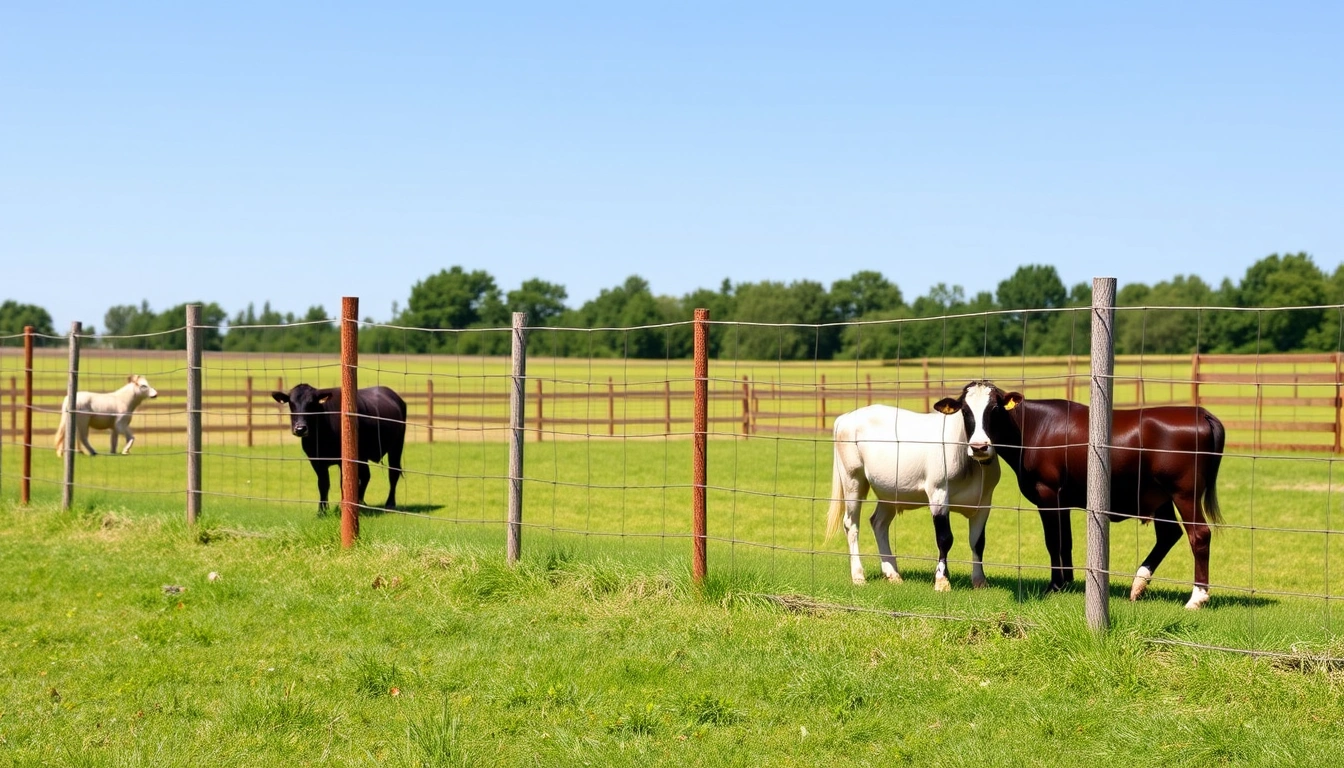
Landowners, smallholders, farm managers, and homestead operators need practical containment for 1 acre or 1,000 acres, with or without existing perimeter fencing. I am assuming you already know your target species, roughly how many head you need to contain, and whether the fence is permanent, semi-permanent, or temporary. I’m also assuming you can tell a boundary fence from an interior division fence, because those are built for different jobs.
Species choice changes everything. A fence that handles 20 beef steers may fail immediately with dairy goats, hair sheep, or pigs. For some sheep systems, a 48-inch woven-wire fence is enough; goats usually need a tighter upper structure or electric reinforcement because they climb, test, and lean. Horses are different again — they are far more likely to run through a weak point than to respect a flimsy barrier, so visibility matters as much as strength. Poultry usually need predator exclusion first, then containment. For background on mesh, posts, and fence performance, see the USDA NRCS fencing guidance and your local cooperative extension recommendations.
This is not a one-size guide, and I would not treat it that way. Bulls, stallions, boars, escape-prone goats, wildlife interface, road frontage, or any fence near power lines, watercourses, or public access all shrink the margin for error fast. In those situations, the design needs to account for the most difficult likely behavior, not the average day. A qualified fence contractor, extension agent, or livestock specialist is worth bringing in when fence failure could create traffic risk, animal injury, boundary disputes, or a repeated escape problem that one rebuild won’t fix. For practical planning help, consult your county extension office and a licensed fence professional, especially if the job involves livestock near roads or mixed species.
One more assumption: you need the fence to last at least 10 years, or at least through one hard season of frost, mud, or drought. Need it only for a two-week pen for sorting or quarantine? Then a much simpler temporary setup may be the better tool. Permanent containment and short-term holding solve different problems.
What makes a fence hold a specific animal?
A fence holds an animal when height, spacing, visibility, pressure resistance, and behavior all line up. The first mistake people make is thinking “stronger” is the answer. It isn’t. For livestock, “appropriate” is the answer. A 6-foot fence can be useless if the lower wire spacing invites a lamb squeeze-through or the energizer is too weak to create respect. A shorter fence can work if the animal sees it clearly and gets a sharp electric lesson the first time it tests it. Simple, but not easy.
The main terms matter. Woven wire is mesh made from interlaced wires, usually in fixed patterns such as 2-inch, 4-inch, or graduated spacing. High-tensile wire is smooth wire kept under tension, often in multiple strands. Electric fence relies on an energizer sending short pulses through charged wires; the shock is unpleasant but not usually harmful when properly installed. Grounding is the return path that lets the current complete the circuit, and poor grounding is one of the most common reasons electric fences fail. Hot wire means an energized wire, not simply one that looks electrified. The University of Minnesota Extension and the USDA NRCS both note that grounding and vegetation control are central to electric fence performance.
Species behavior drives the design. Cattle lean and push. Sheep bunch and probe openings. Goats climb, stand, and test corners. Horses spook at poor visibility and may bolt into something they cannot easily see. Pigs root under weak spots. Poultry need exclusion from dogs, foxes, raccoons, and hawks more than they need brute containment.
A practical rule of thumb: ask three things — how high can the animal jump, how low can it push, and how likely is it to challenge a weak point twice? A fence that works on a calm pasture animal may fail instantly on a breeding male or a recently moved group. Near a feed area, water trough, or gate, expect more pressure than along the quiet stretch. That’s where fences get “discovered.”
The setting matters too. Wet clay, sandy soil, rocky ground, snow load, and frost heave all change post depth and wire behavior. In a flood-prone area, fixed mesh can catch debris. In wildfire country, electric lines need to be planned so maintenance does not turn into a brushfire risk. A generic article usually skips that. It shouldn’t.
Which fence type fits cattle, sheep, goats, horses, pigs, and poultry?

The right fence type depends on the animal’s body shape and behavior, and the “best” fence for one species can be a poor choice for another. I would not use the same perimeter design for horses and goats unless I had a very specific reason and a second layer of protection. On a mixed-species farm, the inside fences often need to change from paddock to paddock.
For cattle, woven wire with a top rail, board, or one or two electric offset wires is common because cattle respect a visible barrier and do not usually try to climb. A strong permanent fence for cattle often uses line posts spaced about 8 to 12 feet apart, with braced corners and a sturdy gate frame. If you are containing calves, the lower openings matter more than fence height. Small calves can slip through a fence that adults respect. A 5-foot field fence may work in many cattle systems, but the exact choice should reflect breed, pressure, and whether you have bulls. University of Kentucky extension materials and similar state-extension guides routinely emphasize brace strength and spacing as much as wire choice.
For sheep, tighter woven wire is better because sheep are compact and may push through larger mesh. Many sheep keepers prefer mesh with smaller lower openings, especially where lambs are present. Sheep often do well in electric netting or in a combined woven-wire-plus-electric setup, but electric-only containment depends heavily on training and vegetation control. If the grass touches the wire, fence effectiveness drops. Fast.
For goats, I favor restraint over optimism. Goats need either very secure woven wire with small openings, taller fences, or electric reinforcement that teaches them quickly not to test the boundary. A 4-foot fence is often too low for an energetic goat, especially if there is a stump, rock, hay feeder, or climbable structure nearby. Many goat failures happen because the real problem is not the fence panel; it is the launch point next to it. Consult your local extension office or a livestock fence specialist before settling on a goat fence, because terrain and breed matter a lot.
For horses, visibility and smooth surfaces matter. Board fencing, rail fencing, or high-visibility electric fencing are common because horses need to see the boundary at speed. Barbed wire is a poor choice for horses in most settings because the injury risk is high if they hit it or get caught. If you use electric fencing for horses, the fence should be highly visible and properly maintained; a single strand at the wrong height is too easy for a horse to ignore or cross. The American Association of Equine Practitioners has long cautioned against fence designs that increase laceration risk.
For pigs, the problem is not jumping; it is rooting and undercutting. A pig fence needs a barrier at the ground line. Woven wire buried or apron-laid, plus low hot wires, is common. If the soil is soft, expect pigs to create trouble where a cattle fence would otherwise seem fine. Corners and gates must be reinforced because pigs will press there first.
For poultry, containment is only half the job. Predator exclusion is usually the larger challenge. Chicken wire is a poor structural fence for many ground-level pressures; it is light-duty mesh, not a serious perimeter for livestock that lean or for dogs that dig. For birds, I would think in terms of enclosure height, buried apron, and overhead protection if raptors or climbing predators are part of the risk.
How do I choose the right livestock fence step by step?
Choose the fence by working outward from animal behavior: species, pressure, terrain, energizer, posts, mesh or wire, gates, and maintenance access. Skip the order, and you usually overbuild the wrong thing or underbuild the weak point.
- Identify the worst animal you must contain. Write down the hardest case you expect: bull, ram, billy goat, boar, stallion, lamb, kid, calf, or poultry near predators. Verify the animal’s age, weight class, and whether it is a group or a single dominant animal. A problem shows up when you design for calm adults but later move young stock, breeding males, or mixed groups through the same fence.
- Measure the pressure points. Walk the line and note slopes, gullies, wet ground, creek crossings, road edges, brush, and places where animals will crowd: gates, water, feed, shade, and corners. Verify whether you have at least 6 to 8 feet of clear working space on the fence line for maintenance. A problem shows up when vegetation, standing water, or tight access makes the fence impossible to inspect or keep hot.
- Set the fence height and lower spacing first. Choose height based on escape behavior: for horses, visibility and higher boundaries matter; for goats, taller and tighter is safer; for pigs, lower containment is critical. Verify the lowest opening or wire is small enough that the youngest animal cannot push through. A problem shows up when the lower gap is wide enough for lambs, piglets, or kids to nose through.
- Decide whether the fence is structural, electric, or hybrid. Structural fencing uses mesh, boards, rails, or panels to physically resist force. Electric fencing uses a pulse to teach respect. Hybrid systems combine a physical barrier with electric reinforcement. Verify that your choice matches the species and terrain. A problem shows up when you rely on electric alone in heavy brush, dry soil, or for an animal that has never been trained to it.
- Lay out corners and braces before line posts. Corners, ends, and gates take the load. Use H-braces, double braces, or another proven corner assembly sized for the wire tension and fence length. Verify that corner posts are set deep enough and braced against pull. A problem shows up when line posts lean because the corners were never properly anchored; the whole fence then loosens over time.
- Plan post spacing by fence type. Typical line-post spacing for permanent fencing often falls in the 8- to 12-foot range, tighter where terrain is rough or wire tension is high. Verify that the spacing keeps mesh from sagging and wires from becoming a ladder or gap. A problem shows up when a long span bows under load and creates a shove point or a crawl-through.
- Install the energizer and grounding system to suit the length of fence. Use a charger sized for the fence load, not just the advertised acreage. Grounding usually needs multiple ground rods in dry or high-resistance soil, and the rods must be placed apart according to the energizer instructions. Verify a clear, bright fence tester reading on the hot line and a strong return path. The USDA notes that poor grounding is a common reason electric systems underperform. A problem shows up when the fence “looks hot” but animals ignore it because the shock is weak or inconsistent.
- Add gates, offsets, and exclusion features where needed. Gate openings should be wide enough for equipment, manure handling, and animal movement. If animals crowd gates, add a hot offset wire or a visual barrier. Verify that latches close tightly and that the gate line does not become the easiest escape route. A problem shows up when the gate sag, latch gap, or hinge side becomes the first failure point.
- Test the fence before turning animals in. Walk the entire perimeter with a fence tester, check every corner, gate, and low spot, and clear vegetation where the charge is bleeding off. Verify consistent voltage or a clearly “hot” pulse at the far end, not just at the charger. A problem shows up when the fence is only hot near the source and weak at the last third of the line.
The order matters because most fence failures start at corners, grounding, or gates, not in the middle of a straight run. Build the line first and the corners second, and you’ve solved the least important part first. Choose the fence type before you know the animal pressure, and you may spend money on something that looks substantial and still fails.
What should I check before I turn animals in?
Check the fence as if the worst animal on the property is waiting for one weak point. A fence that is “finished” on paper can still fail because of one loose staple, one dead ground rod, or one hidden gap under a gate. I would never skip a full perimeter inspection, even on a short 100-yard paddock.
Start low. If you are holding sheep, goats, or pigs, ground clearance matters as much as the top height. The fence should not leave a crawl space, a soft undercut, or a mud gap where hooves can begin digging. In a wet area, inspect after rain, not just in dry weather. Ground that looks tight when dry can open enough to become a passage once it softens.
Then check corners and braces. A corner that twists under tension is a structural fault, not a cosmetic one. The wire should be tensioned without pulling posts inward or making the mesh ripple in long waves. If your line is electric, check the insulators too. A cracked or missing insulator can dump charge into the post, especially on steel-post systems, and the fence will seem weak even when the energizer is functioning. Ugly little failures add up.
Verify gate function from both directions. A gate that closes cleanly from one side but leaves a 1-inch gap on the other is still an escape point. Check latches, hinges, and the hinge-side gap. Animals learn the geometry of a gate faster than many people expect. I would also check the ground beneath the gate; pigs, calves, and dogs often find the soft spot first.
For electric fences, use a fence tester at the near end and the far end. The goal is not just “it shocks.” The goal is adequate pulse strength at the point the animal will touch. If voltage drops far from the charger, vegetation, poor splices, or a bad ground may be stealing energy. Keep vegetation from touching the hot wire, because weeds can bleed off charge and reduce the lesson. In dry regions, expect grounding to be more demanding. In winter, ice and frozen soil can change how the current returns. The University of Minnesota Extension and other state programs recommend routine voltage checks because animals notice weak spots long before people do.
Finally, walk the line from the animal’s eye level. Horses see differently from humans. Goats and lambs see different openings than cows do. What looks fine standing upright may present a tempting squeeze-through at 18 inches from the ground. This one habit can prevent a lot of failures, especially if you also have a local extension agent or fence contractor verify the layout before turn-in.
When should I stop and redesign the fence?
Stop and redesign when the fence you planned cannot safely match the animal, the site, or the pressure. For containment, the cost of being wrong is usually repeated escapes, injured stock, or a fence that becomes more expensive to patch than to rebuild.
Breeding males will share the same line as smaller stock: A bull, ram, boar, or stallion creates far more pressure than a quiet group of females — use a heavier perimeter, add offsets, or separate the male entirely. A mixed-sex setup that “usually works” is the kind that fails on a hot day or during breeding season.
The line passes through steep, rocky, or wash-prone ground: Posts can pull, mesh can lift, and water can undermine the fence — change the layout, terrace the line, or choose a structure that tolerates ground movement better. A straight, cheap fence on unstable ground often becomes an annual rebuild.
You are relying on electric fence in heavy vegetation: Grass, brush, and vines will bleed off charge and teach animals that the line is optional — clear the corridor or switch to a more physical barrier. If you cannot maintain a clean strip, electric-only containment is the wrong tool.
The animals have already escaped twice through the same area: They have identified a weakness, and they will keep checking it — redesign that specific segment with tighter spacing, better bracing, or a different fence type. Replacing one broken post without changing the weak geometry usually just postpones the next failure.
The fence borders a road, neighbor boundary, or public access area: The consequence of failure is no longer limited to your pasture — use a more conservative design, review your property line, and involve qualified help if the risk is traffic or legal conflict. That is not the place for experimental fence ideas.
Predators are the main problem, not escape: A containment fence alone may not protect poultry, kids, or lambs from dogs, coyotes, foxes, or other predators — add buried mesh, tighter height control, and possibly overhead protection. If the goal is predator exclusion, animal containment by itself is incomplete.
If any of those conditions apply, I would pause before buying more wire. The answer may be a different geometry, a different species grouping, or a permanent-versus-temporary decision. A fast rebuild is still a rebuild; it just costs more the second time.
The mistakes people make with animal fencing, and what they cost
The most expensive fence mistake is not the wrong material; it is assuming