Last updated: October 21, 2026
Key Takeaways
- Pick a latch that matches the gate’s real force, not just its weight or appearance.
- A ranch gate latch opens by accident when movement, slack, or poor engagement gives it a path to release.
- Choose a lockable latch that closes cleanly; if it is hard to use, consult a fence or gate professional.
- Install the latch so the gate pulls tight into the receiver and cannot float on loose hardware.
A ranch gate latch that won’t open by accident is one that matches the way the gate moves, the pressure on it, and who has to operate it. This guide on how to choose a ranch gate latch that won’t open by accident focuses on the gate’s actual use, not just the hardware label. If cattle lean on the panel, horses rub a shoulder against it, or wind jars the gate in a rough opening, the wrong latch will pop loose no matter how solid the fence looks.
Pick the latch style that matches the gate’s daily abuse
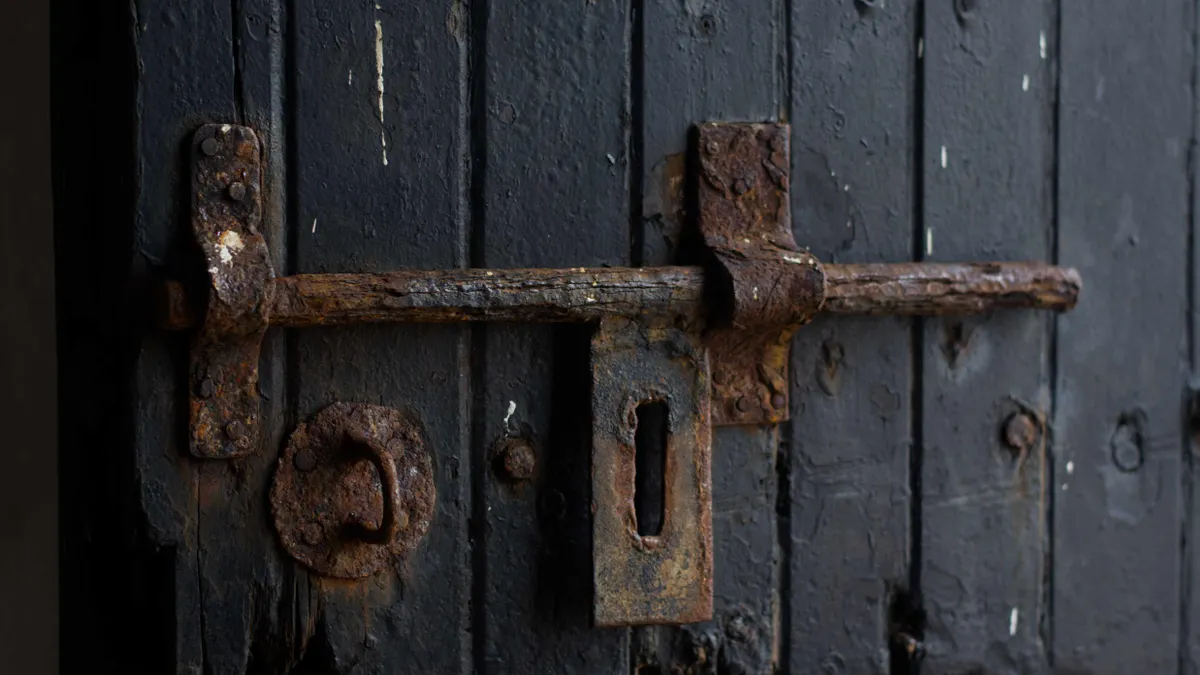
The right latch is the one that stays closed under the kind of force your gate actually sees, not the one that looks heaviest on the shelf. For most ranch gates, that means choosing between a spring latch, a chain-and-snap arrangement, or a lockable latch with a positive catch.
A spring latch is fast and convenient, especially on a gate that gets opened several times a day. The drawback is simple: if the gate frame is loose, the post shifts, or the latch bar does not seat deeply enough, vibration can work it open. A chain latch is more forgiving on crooked posts and older gates, because you can wrap it tighter and choose a hole or link that gives the right tension. The trade-off is convenience. It takes two hands unless the chain is arranged very carefully.
A lockable latch is often the better choice when accidental opening would let out cattle, horses, or both. On a gate that faces a lane, a windy corner, or a pasture where animals crowd the panel, I would rather see a latch with a place for a padlock than a latch that depends on friction alone. For examples of gate hardware and safety considerations, see the USDA NRCS conservation practice guidance and OSHA’s livestock handling resources. The cost is time at the gate: if people need to open it many times a day, a lock can become a nuisance unless the rest of the setup is easy to reach.
The gate itself matters too. A 4-foot utility gate on a private lane has different needs than a 16-foot livestock gate that gets pushed by animals. A latch that works on a light garden gate can fail on a heavy steel ranch gate simply because the gate sags 1/2 inch over time and the receiver no longer lines up cleanly. That mismatch is a common cause of surprise openings.
For a broader view of the system around the latch, the ranch fence gate systems hub can help.
What makes a ranch gate latch open by accident?
A ranch gate latch opens by accident when movement, slack, or poor engagement gives it a path to release. The usual culprits are gate sag, wind bounce, animal pressure, and a latch that does not seat fully into its keeper.
Sag is the most overlooked one. When a gate drops even a little, the latch tongue no longer lands squarely in the catch. Instead of a clean engagement, it rides on an edge. Over time, the gate can walk out of place from repeated use. On a long gate, that misalignment shows up faster because the far end has more leverage.
Wind is another real force, especially on a gate with broad rails, sheeted panels, or anything that catches air. A strong gust does not need to rip hardware apart; it only needs to make the gate bounce. If the latch has any play, that bounce can let the mechanism skip free. In exposed spots, a latch that only barely closes is not enough.
Livestock pressure changes the problem. Cattle will lean, push, and rub. Horses are different: they may not push as hard, but they can catch a latch with a neck, chest, or hip if the handle is exposed in the wrong place. A latch that depends on a small spring tab can be too easy for an animal to bump loose.
I would not use a light-duty gate latch where the gate is part of a holding pen, a cattle lane, or a horse turnout that sees regular contact. In those settings, the safer choice is a latch with a deeper seat, a more positive closure, and room for a padlock or retaining pin. If the gate must stay shut, build that into the hardware instead of trusting tension alone.
Which latch details matter most for cattle, horses, and wind?
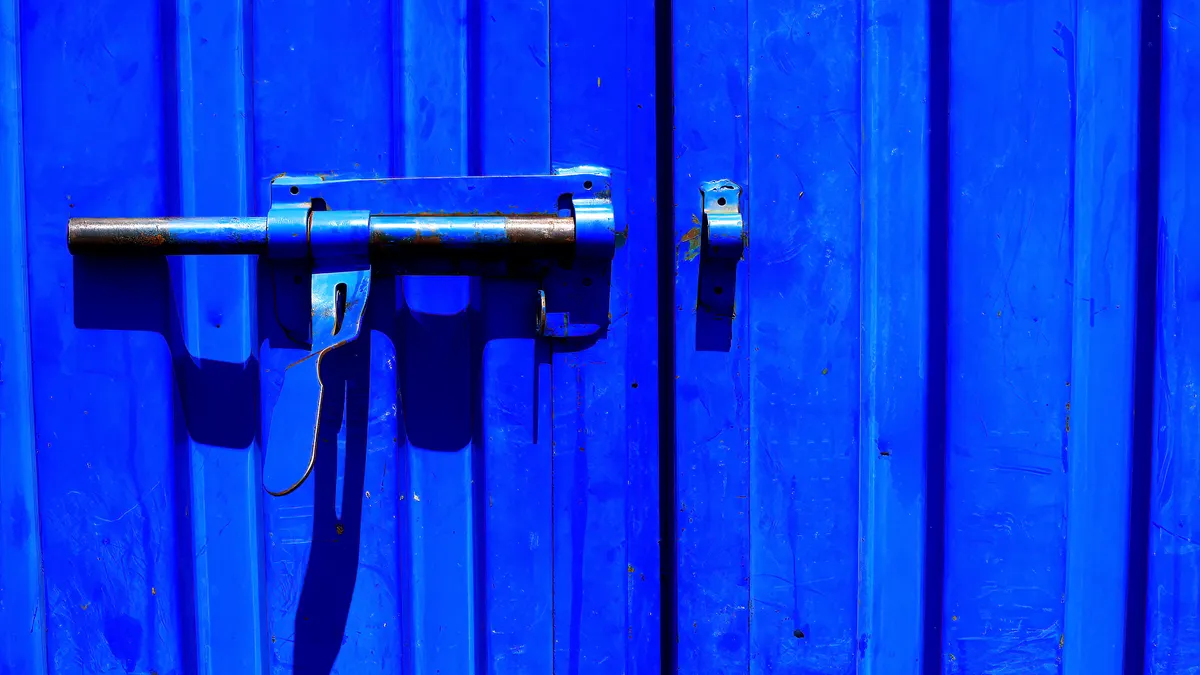
The details that matter most are the depth of engagement, the amount of slack in the moving parts, and whether the latch can be closed one-handed without leaving a weak point. Those three things decide whether the latch stays put when the gate twists.
Start with engagement depth. A shallow catch is easy to open and easy to jar loose. A deeper catch gives the latch more metal to hold onto, which matters on a gate that moves several inches at the far end. On a ranch gate, I would rather have a latch that closes with a firm, audible seat than one that feels soft but leaves extra play.
Next is slack. Any chain, spring, or handle with too much freedom becomes a rattle point. Rattle is not just noise. It means the latch has room to move before it reaches resistance. That motion is what wind and livestock use against it. Keep the working parts snug enough that the gate has to do real work to unlatch, not just tap and release.
One-handed operation matters more than people expect. If a handler must hold a lead rope, open a gate, and keep an eye on cattle at the same time, the latch should not require a fussy two-step sequence that invites half-closure. A latch that can be opened with one hand and then closes cleanly on its own reduces the number of times it gets left barely latched.
For horses, exposed edges are a practical issue. A spring latch or handle mounted too low can be brushed by a shoulder or muzzle. For cattle, the concern is heavier pressure and repeated impact. For wind, the issue is whether the gate can bounce without losing its seat. A latch that works well for one of those forces may fail at another.
A good rule: if the hardware needs careful finger work every time, it may be too delicate for a ranch setting.
How do I choose a lockable latch without making the gate annoying to use?
Choose a lockable latch that still closes cleanly in one motion, because a latch that is secure but frustrating often gets left unsecured. A lockable setup usually works best when a positive latch body has a place for a padlock or pin, rather than relying on the padlock to do all the holding.
The practical question is not only “Can I lock it?” but “Can I close it quickly after someone walks through?” If the answer is no, the gate will stay ajar on the busiest days. That is how accidental openings happen in real life: not from failure of the metal, but from people skipping the final step because the hardware is awkward.
A chain latch can be made lockable by adding a padlock through the chain or keeper, and that works well when the gate needs flexibility. A solid latch with a locking hole is neater when the gate must stay secure in a fixed position. Either way, the lock should prevent the latch from backing off under vibration, not just signal that the gate is “sort of closed.”
Padlocks bring their own trade-off. A cheap, sticky lock is worse than none if it binds in dust, rain, or cold. On ranch gates, dirt and grit get into everything. If the lock takes two or three tries to open, people stop using it, and the whole point disappears. A lockable latch should be chosen for the weather and the frequency of use, not just the security label.
If the gate is for cattle handling, ask whether the lock position can be reached without standing in the kick zone. If it is for horses, think about where the horse’s head and shoulder will be while you work the latch. A secure latch that puts the handler in a bad spot is not a good choice. For work near livestock, consult the gate layout against USDA and OSHA handling guidance before deciding.
Install and set the latch so it closes hard, not just closed
Install the latch so the gate pulls tight into the receiver and cannot float on loose hardware. A latch that is perfectly rated on paper can still fail if the keeper is off by even a small amount or the gate droops after a few months.
- Hang the gate first and check the swing under load. Close it slowly, then open and shut it three or four times. If it drags, drops, or rebounds, fix that before mounting the latch. A latch cannot correct a crooked gate.
- Set the receiver or keeper where the gate lands naturally. Mark the point where the gate rests with no pressure, then shift the latch so the tongue enters cleanly without forcing. A clean seat matters more than a tight-looking gap.
- Tighten the mounting hardware fully. Use the proper bolts, washers, and backing plates for the gate material. A loose bracket lets the latch migrate, and even a small shift can turn a reliable latch into a nuisance.
- Test the closure with a firm push from the gate’s free end. On a long gate, that is where movement is greatest. The latch should stay engaged when the gate flexes, not just when it sits still.
- Add the lock or retaining feature last. If you add a padlock or chain before the fit is right, you may hide a bad alignment problem instead of solving it.
- Check the latch again after a day of use. Metal settles. If the gate was opened a dozen times, any weakness shows up quickly.
On many ranch gates, the issue is not the latch type but the fit. A properly set spring latch can outperform a poor chain arrangement, while a chain latch can outperform a sloppy spring latch. Fit wins.
Common mistakes that make a latch easy to pop open
The most common mistake is choosing convenience first and security second, which usually leads to a latch that works until the first hard bump. A quick-open latch is fine on a low-risk gate, but it is a bad fit where animals or wind can work it loose.
The first mistake is buying hardware without checking the gate’s condition. A worn hinge, a sagging post, or a bent frame adds movement that any latch has to absorb. The cost is obvious: the latch looks bad when the real problem is the gate. The better move is to correct the alignment first, then choose the latch.
The second mistake is using a chain with too much slack. Slack creates swing, and swing creates release. If the chain hangs loose enough to slap the gate, it is too loose to trust. Tighten it so the gate has to settle hard into the catch.
The third mistake is placing the latch where an animal can reach it. Horses can brush a gate edge with a shoulder or neck. Cattle can shove a lower latch area with surprising force. If the handle, loop, or release point is exposed at the wrong height, the gate becomes easier to open by accident.
The fourth mistake is ignoring wind exposure. A latch that works on a sheltered barn alley may fail on an open fence line where the gate catches gusts. In windy spots, choose a more positive closure and less exposed hardware.
The fifth mistake is using a padlock as a substitute for proper engagement. If the latch itself is loose, the lock only freezes a bad fit in place. The lock should back up a sound latch, not rescue a weak one.
What should I buy if I want the safest practical setup?
The safest practical setup is a latch that closes positively, resists vibration, and can be locked without becoming a chore. For many ranch gates, that means a heavy-duty latch with a deep keeper, plus a padlock point or secondary retainer, rather than a bare spring latch alone.
I would favor that setup when the gate serves cattle, horses, or a windy opening. It gives you the speed of a latch and the backup of a lock. The trade-off is that it is a little slower at the hand than a basic snap latch. That slower movement is often worth it if the gate must stay closed.
A plain spring latch is fine when the gate is light, the post is solid, and accidental opening would be inconvenient rather than dangerous. It is not the right answer for every ranch gate. If the gate sees constant animal pressure or lives in a gusty corridor, spring tension alone can be too easy to beat.
A chain latch is useful where alignment is imperfect or the gate is older, but it should be arranged tightly and, ideally, backed with a padlock if the gate absolutely must not open. A chain that is left loose or slung casually over the gate is an invitation to failure.
The final judgment is simple: buy for the force that will hit the gate, not for the simplest motion on day one. If cattle, horses, or wind can disturb the gate, the latch needs a real catch, minimal slack, and a lock point. If the gate is low-stakes and used constantly, convenience can matter more.
What is the best latch for a ranch gate?
The best latch for a ranch gate is the one that closes positively, fits the gate well, and matches the amount of pressure the gate will face. For cattle, horses, or windy openings, a lockable latch with a deep catch is usually the safest practical choice. A light spring latch is better only when the gate is easy to manage and not exposed to hard bumps.
How do you keep a gate from opening on its own?
Keep a gate from opening on its own by removing slack, correcting sag, and choosing a latch with a firm catch. The gate should seat fully in the keeper, with no loose chain or soft spring action that can bounce free. In exposed or high-pressure spots, add a padlock or secondary retainer so vibration cannot undo the latch.
Can livestock open a gate latch?
Yes, livestock can open a gate latch if the hardware is exposed, shallow, or loose. Cattle can push gates hard enough to work a weak catch free, and horses can bump a handle or latch with their body. A latch that is fine on a quiet fence line may be too easy to defeat in a pen, turnout, or feeding area.
Drafted with AI; not yet reviewed by a person.